Distillation and Quantization: Two Different Ways to Change a Model’s Cost
October 18, 2026
Can AI Safely Route Support Tickets? A Perplexity Decider Example
October 18, 2026
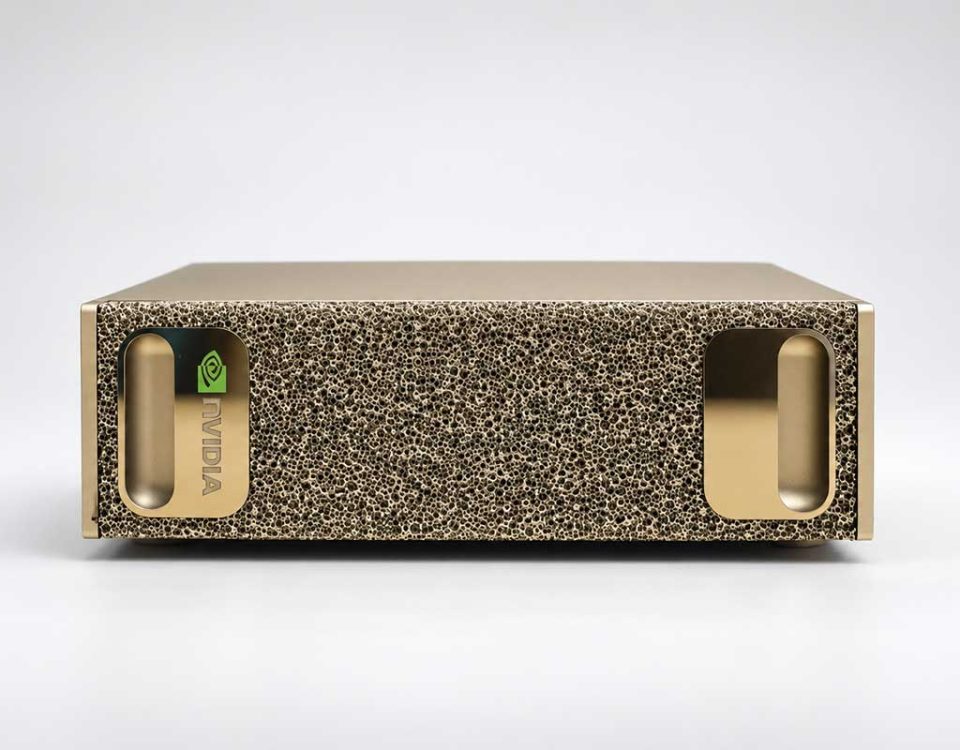
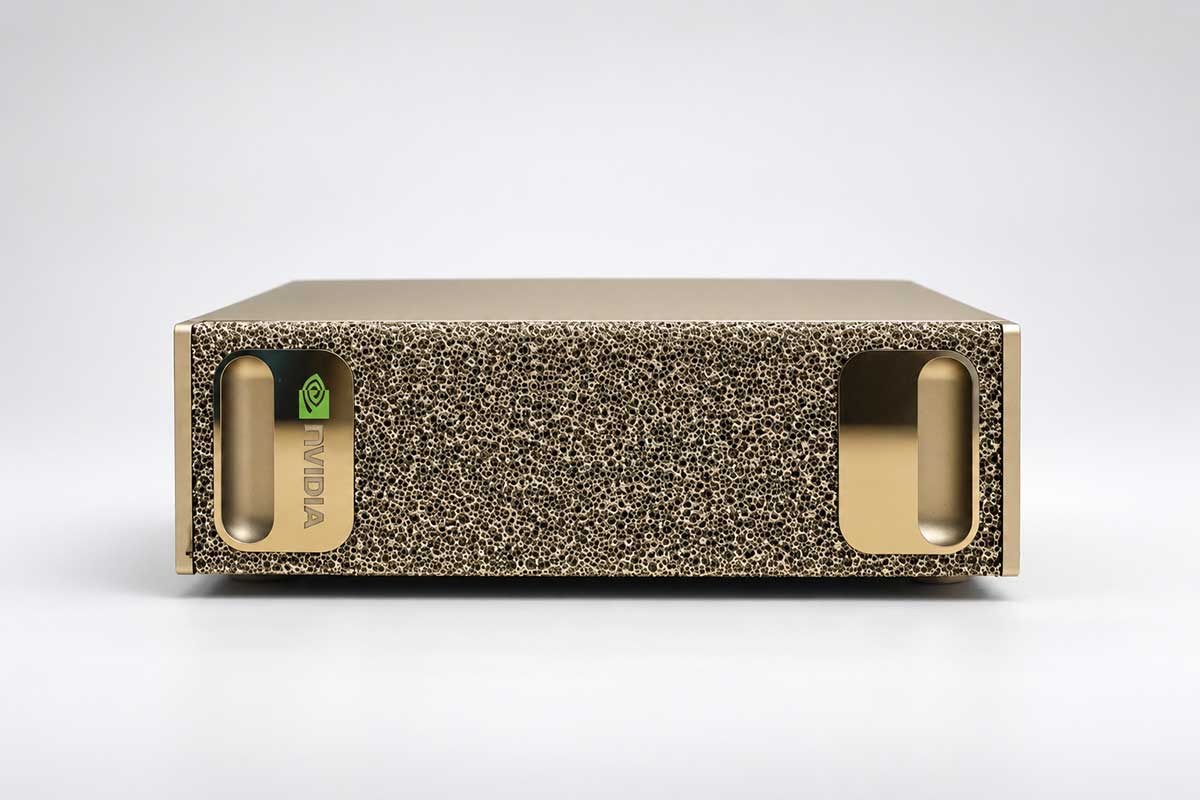
Illustration: NVIDIA. Promotional visual; not a photograph of a tested configuration.
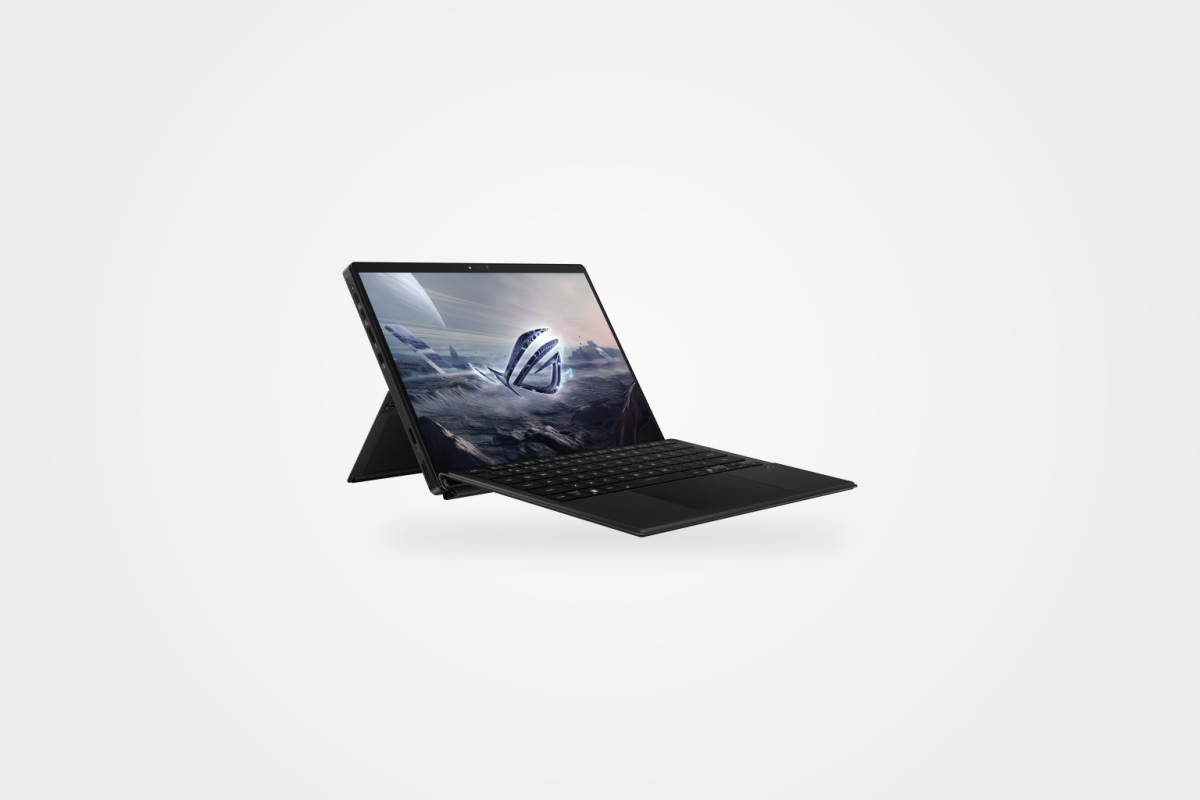
An AI badge does not tell you whether a laptop can run your model, keep your documents on the device or remain comfortable to use after a long session. Those are different requirements. Start with the task, then trace the memory, software and operating conditions it needs.
Consider an invented small-business workload: summarizing approved documents while travelling, with no client information sent to a hosted model. This is a buying scenario, not a tested configuration. The useful question is not “Which laptop has the largest AI number?” It is “Can this exact machine complete this workload within my privacy and usability limits?”
Write the workload before choosing the laptop
Inference means running a trained model to produce an output. For our traveller, that includes loading the chosen model, reading the input and generating a summary. A product advertised for image effects or a built-in assistant may not support the same software path as a downloadable language model.
Specify the model and its file format, the application that will run it, typical document length and whether another application must remain open. Add an acceptable wait for the first response and for the complete answer. These are requirements to test, not performance figures borrowed from an unrelated demonstration.
Memory is a working budget, not a model-file label
A discrete GPU’s VRAM is its dedicated memory. System RAM and VRAM should not be added together as though every program can use the total in the same way. Shared-memory systems have a different arrangement, but their advertised capacity is still not all available to one model: the operating system and other applications also need resources.
Quantization reduces numerical precision in a model representation and can reduce its storage or memory requirements. Hugging Face’s quantization overview also makes the supported method and hardware part of the choice. A smaller file is not proof that every runtime can execute it efficiently or that its answers retain the quality your task needs.
Leave room for runtime overhead and the memory used while processing a conversation. Test the context length you actually need, not just a short greeting. Loading successfully is the beginning of the check, not its conclusion.
Ask what the software announcement actually establishes
In its October 13 RTX Spark ecosystem update, NVIDIA described new local-AI integrations and dated upcoming releases. It also described hybrid routing between local and cloud models. That is useful software context, but an announcement is not independent confirmation of a particular retailer’s stock, laptop configuration or sustained performance.
Check the exact regional SKU, memory configuration, supported runtime version and model variant before spending money. A family name or scheduled release date does not settle those details. This article does not verify a specific laptop’s current availability or recommend a winning SKU.
Local execution is a route you must verify
For the fictional document task, a cloud fallback would violate the stated requirement even if it improved the answer. Check where inference runs, where files are indexed, whether tools contact external services and what diagnostics leave the device. Local model execution alone does not establish that the complete application works offline.
Use non-sensitive sample documents first. Repeat the task with the intended applications open, then inspect the output for omissions and unsupported statements. Try both the normal power setup and the battery conditions that matter to you. Record the configuration so a later software update can be compared fairly.
The buying decision should survive a realistic demonstration
Ask for evidence on the exact configuration: the same model representation, document length, output requirement and power mode. Check response time, answer usefulness, sustained noise and whether the machine remains usable for other work. A faster but unreliable summary does not meet the brief.
For the component trade-offs, continue with when an NPU helps and when a GPU or cloud service is still needed. The separate guide to memory and bandwidth beyond TOPS explains why a headline compute rating is not the whole decision.
The best purchase is the smallest configuration that passes your real workload with acceptable headroom and support. Until that evidence exists, “AI-ready” is a starting label, not an answer.