Can AI Safely Route Support Tickets? A Perplexity Decider Example
October 18, 2026
AI Can Watch Video—but What Does It Understand? A Glimpse Example
October 18, 2026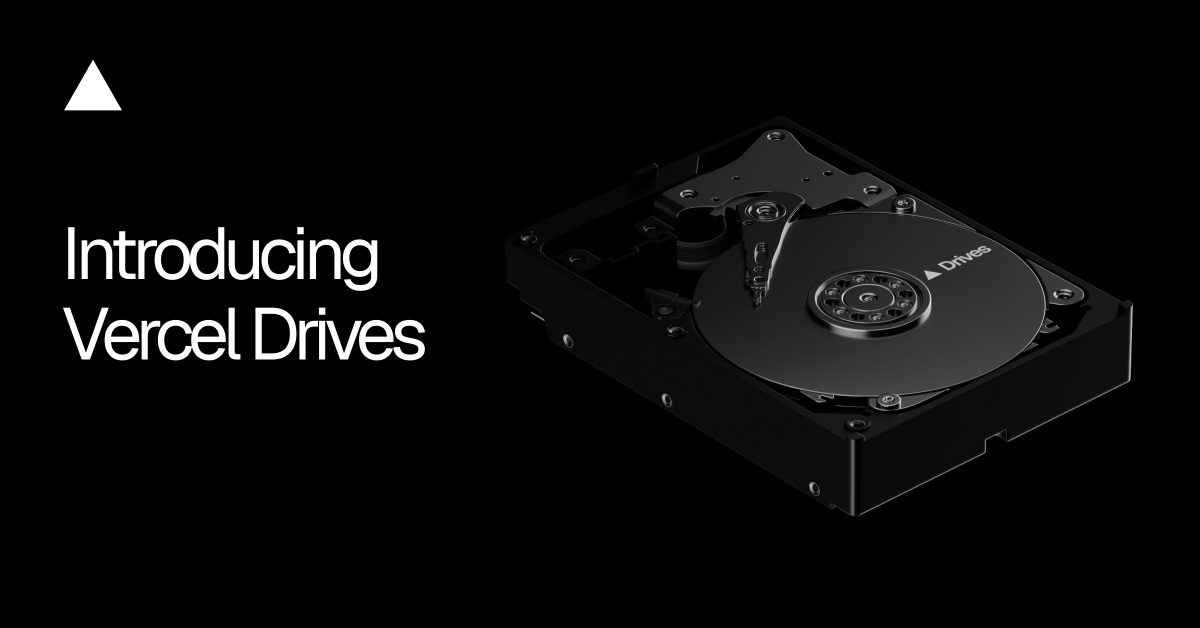
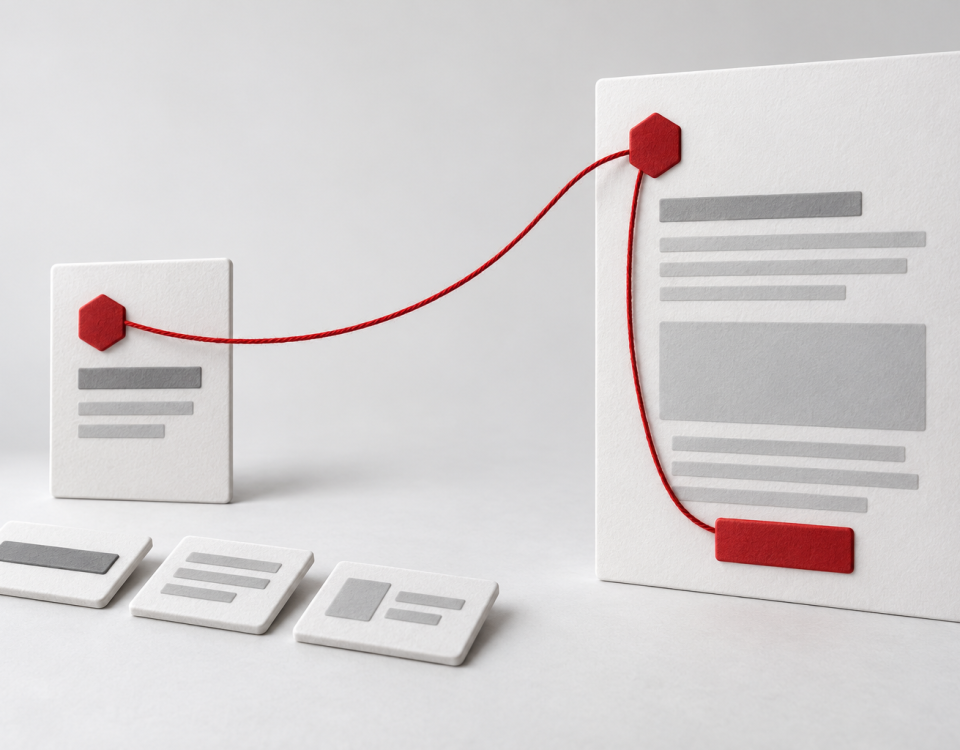
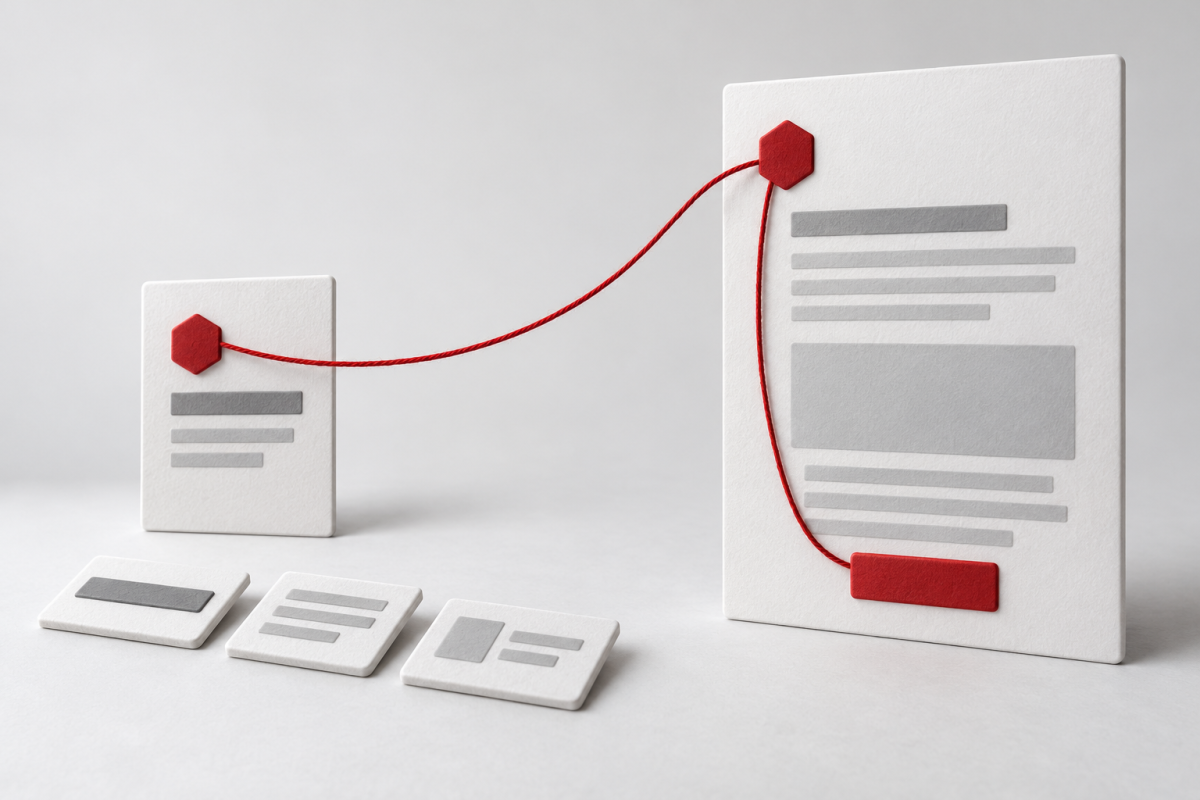
Illustration: Vercel. Product artwork, not a photograph or specification of the service’s physical storage.
An agent returns tomorrow, opens yesterday’s folder and finds its notes. Has it remembered the project? Only partly. The files survived; the application still needs to find the relevant note, establish whether it remains valid and put the right information into the next task.
Vercel Drives makes that distinction concrete. Its October 15 general-availability announcement describes persistent directories mounted into Vercel Sandbox. Files remain after a sandbox stops. That solves an important storage problem, but not every problem normally hidden inside the word “memory.”
Follow one decision across two sessions
Imagine an invented research project called Northstar. On Monday, a reviewer approves a source and records why it is relevant. On Tuesday, another run must use that decision without confusing it with an earlier unapproved suggestion. Simply keeping both files does not tell the agent which one has authority.
Agent memory needs an application-level method for retaining and recalling useful information. For Northstar, that means recording the decision’s project, source, approval state and current replacement relationship. These are proposed project conventions, not features automatically supplied by a mounted directory.
The context window limits the information a model can consider in a call. Saved files outside that input do not become knowledge merely because they exist. The application must select and supply them, or provide an authorized tool that lets the agent read them.
Persistence has a narrower meaning than recovery
The current Drives documentation, checked on October 18, distinguishes a persistent directory from a saved sandbox environment. It also describes one read-write mount and read-only sharing through snapshots. These are documented behaviours, not results from our own deployment.
For Northstar, keeping a file after compute stops is useful. Recovering an accidentally overwritten decision is another requirement. Define which versions must be recoverable, where a recovery copy lives and how restoration would be checked. Do not call the project backed up until that requirement has a demonstrated recovery path.
Parallel workers need a return path
Vercel describes independent writable forks that begin with the source Drive’s files. This lets workers change their own copies without changing the original. It does not make their conclusions consistent or automatically turn one fork into the project’s approved state.
Give each Northstar worker a bounded question and a declared input revision. Have it return a candidate result with its sources and checks. A coordinator can then compare conflicting conclusions against the original evidence before an authorized writer updates the accepted record. A folder containing every candidate is not yet a single source of truth.
Do not assume that independent forks permit several simultaneous writers on the same shared directory. Match the design to the actual storage semantics. Keep changes reviewable and distinguish a successfully written file from an accepted project decision.
Stored mistakes can become repeated mistakes
A useful memory test is a correction. Change an approved Northstar decision, start a new run and check whether it uses the replacement while preserving the earlier record as history. Then ask a question the records cannot answer. The system should identify the gap rather than invent a remembered fact.
Also test separation: a worker assigned one project should not retrieve another project’s private notes. Review logs, exports and indexes as well as the primary files. Removing a record from one folder is not evidence that every derived copy has disappeared.
Budget and lifecycle belong in the design
General availability does not mean free storage. Vercel’s documentation identifies storage, reads and writes as billing dimensions. Check the applicable plan, region and current rates before sizing a persistent workspace; this article does not quote a universal cost or verify a particular account’s entitlement.
For the broader architecture, continue with sessions, knowledge and durable lessons. The guide to a knowledge system with provenance explains why evidence and ownership matter. Drives can keep the files available. The system around those files determines whether tomorrow’s agent uses them wisely.