Models inherit the limits of memory, data movement, storage, identity, permissions, networking and observability. This section connects hardware and infrastructure choices to the behavior readers actually experience.
Featured guides
- AI Accelerators Beyond TOPS
- Local AI Hardware: NPU, GPU or Cloud?
- MCP Is Becoming Infrastructure
- AI Agent Safety

What Makes a Laptop Suitable for Local AI? Start With the Workload
A practical way to assess a laptop for local models: define the workload, check the memory and software path, then verify privacy and sustained usability.

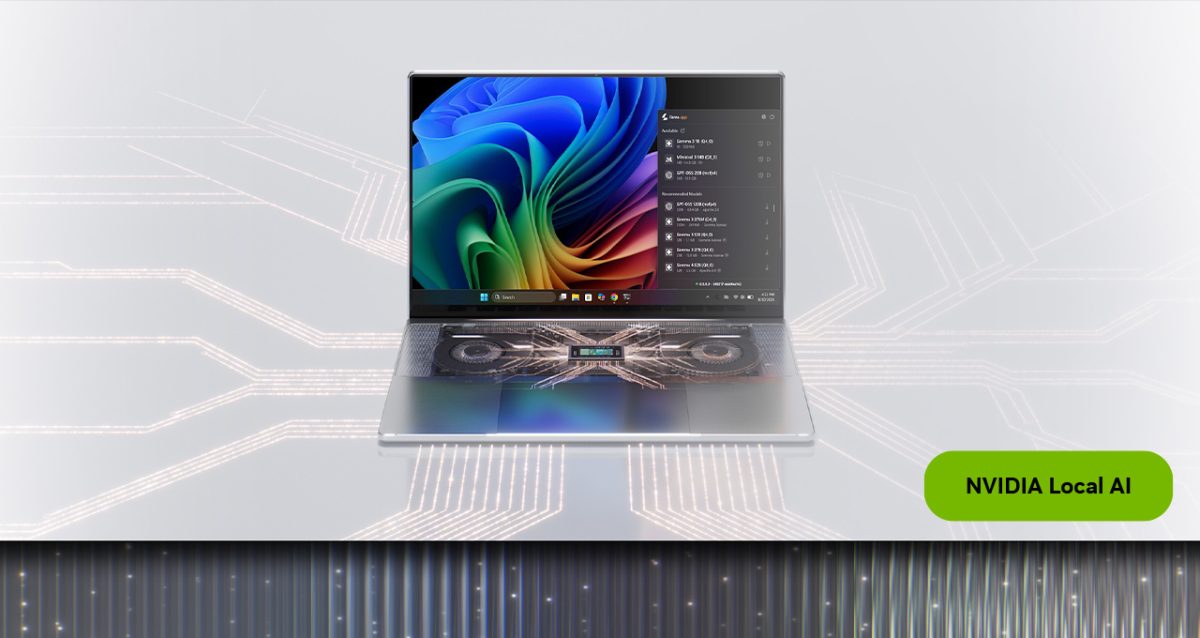
Surface Laptop Ultra brings RTX Spark to local AI — but the configuration matters
Surface Laptop Ultra makes RTX Spark a concrete laptop proposition. Its memory configurations, software support and preorder status matter more than an AI label.

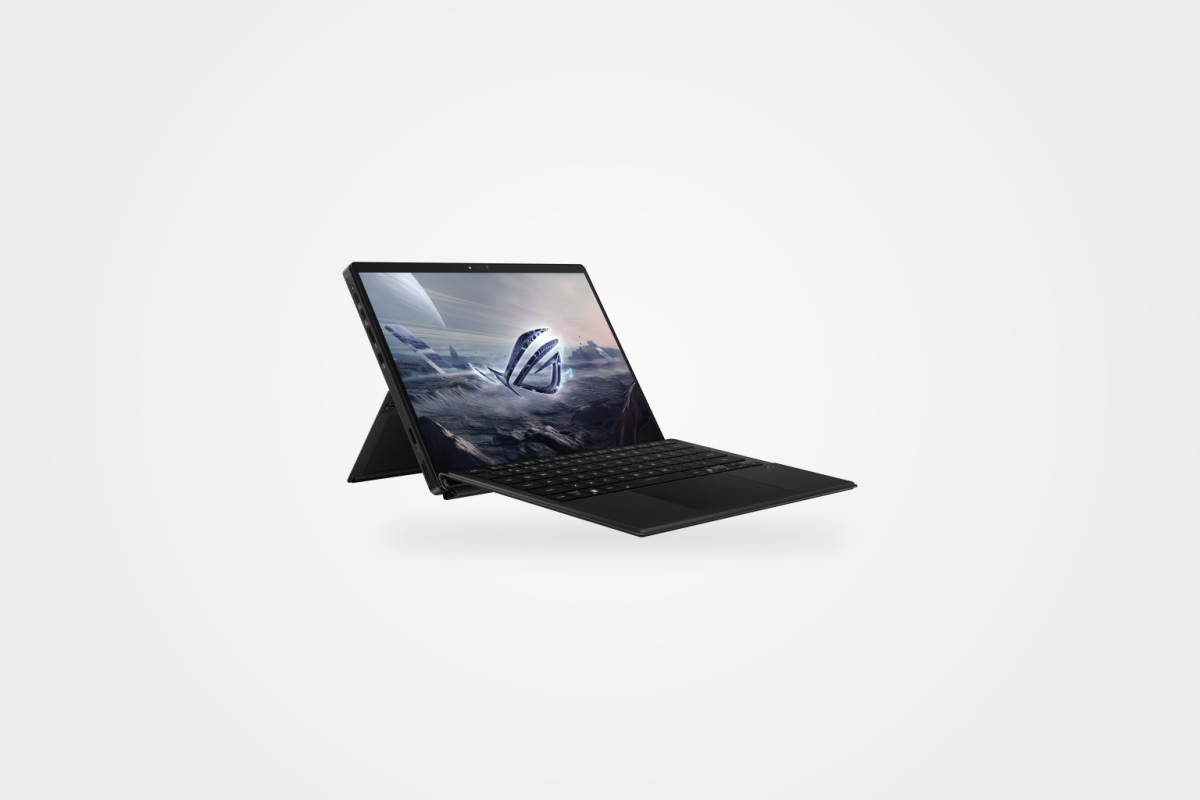
ASUS ROG Flow Z13 128GB: a compact candidate for local AI
The 128GB ROG Flow Z13 makes shared memory a portable local-AI proposition. Match the exact configuration to your runtime before judging its performance.
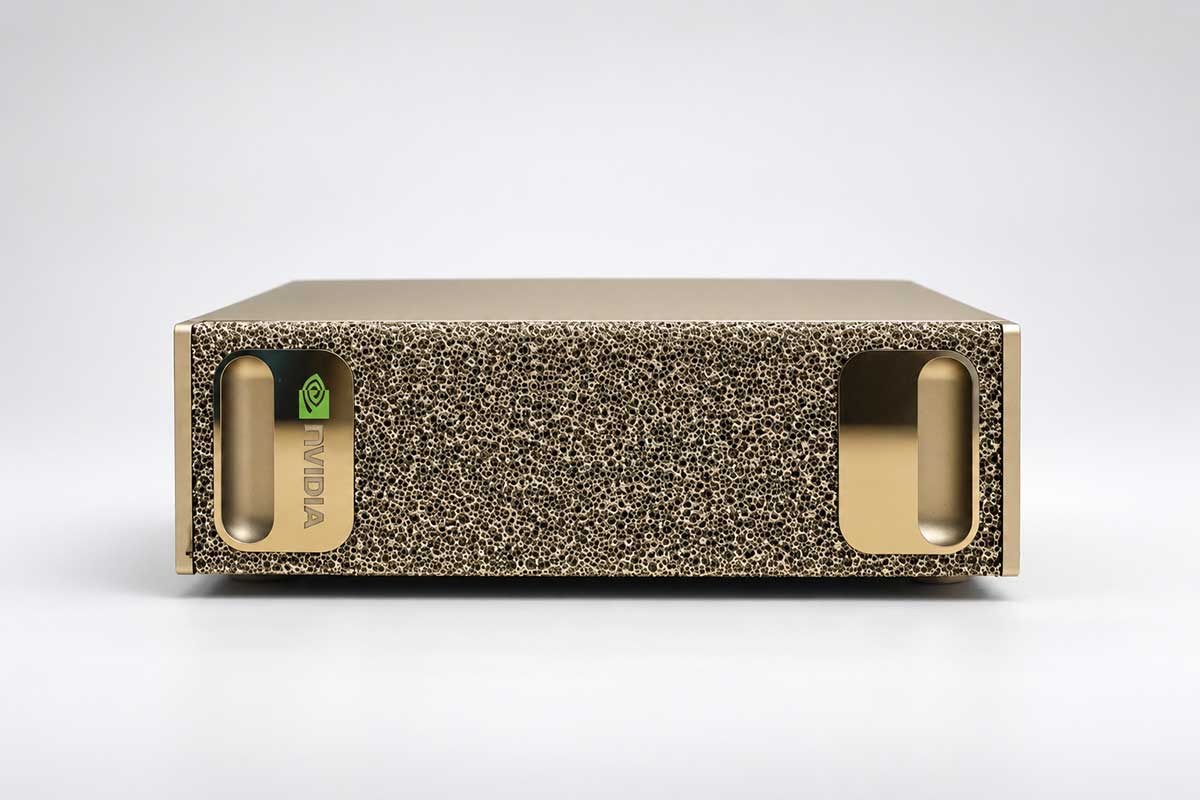
NVIDIA DGX Spark 4 TB Review: A Local AI Lab Not a Tiny Gaming PC
NVIDIA’s 4 TB DGX Spark puts 128 GB of unified memory and the CUDA ecosystem on a desk. Here is what it can run, where bandwidth limits it and who should buy it.
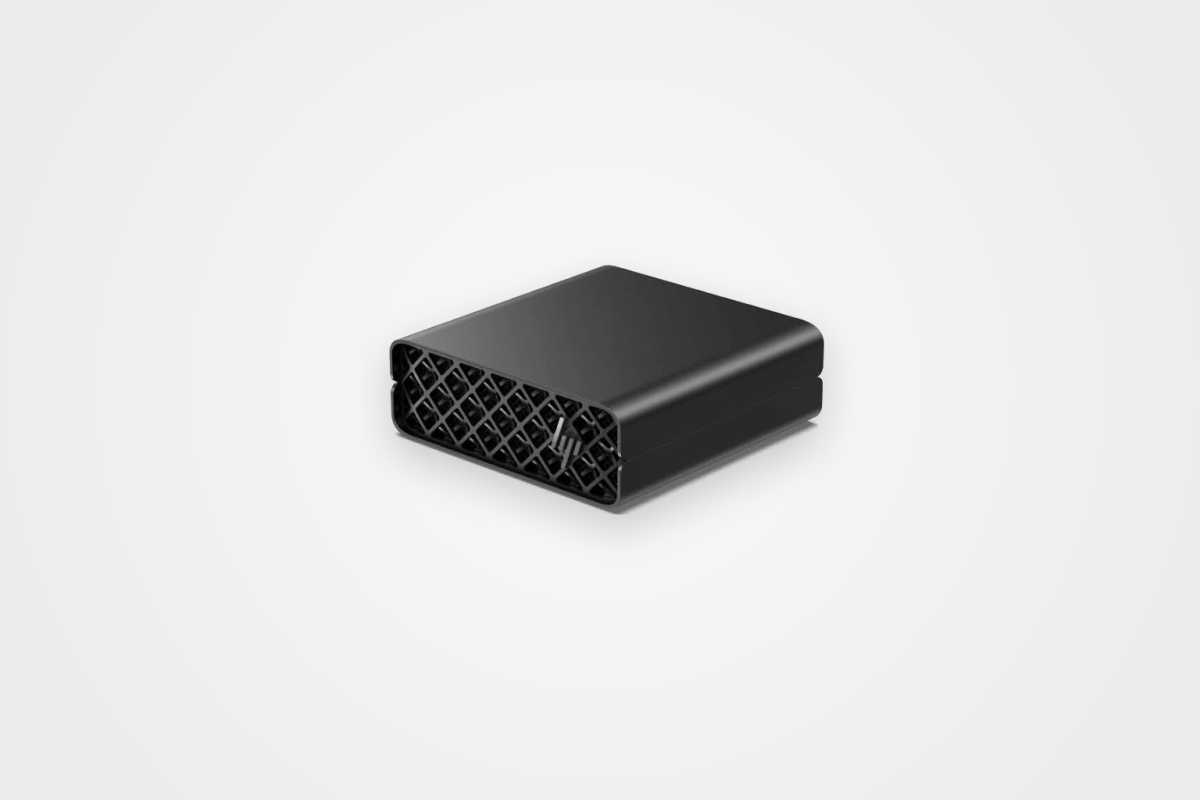
HP ZGX Nano 4 TB Review: The Enterprise-Minded GB10 Workstation
HP’s 4 TB ZGX Nano uses the same GB10 foundation as DGX Spark but adds enterprise security, service and remote-management considerations.
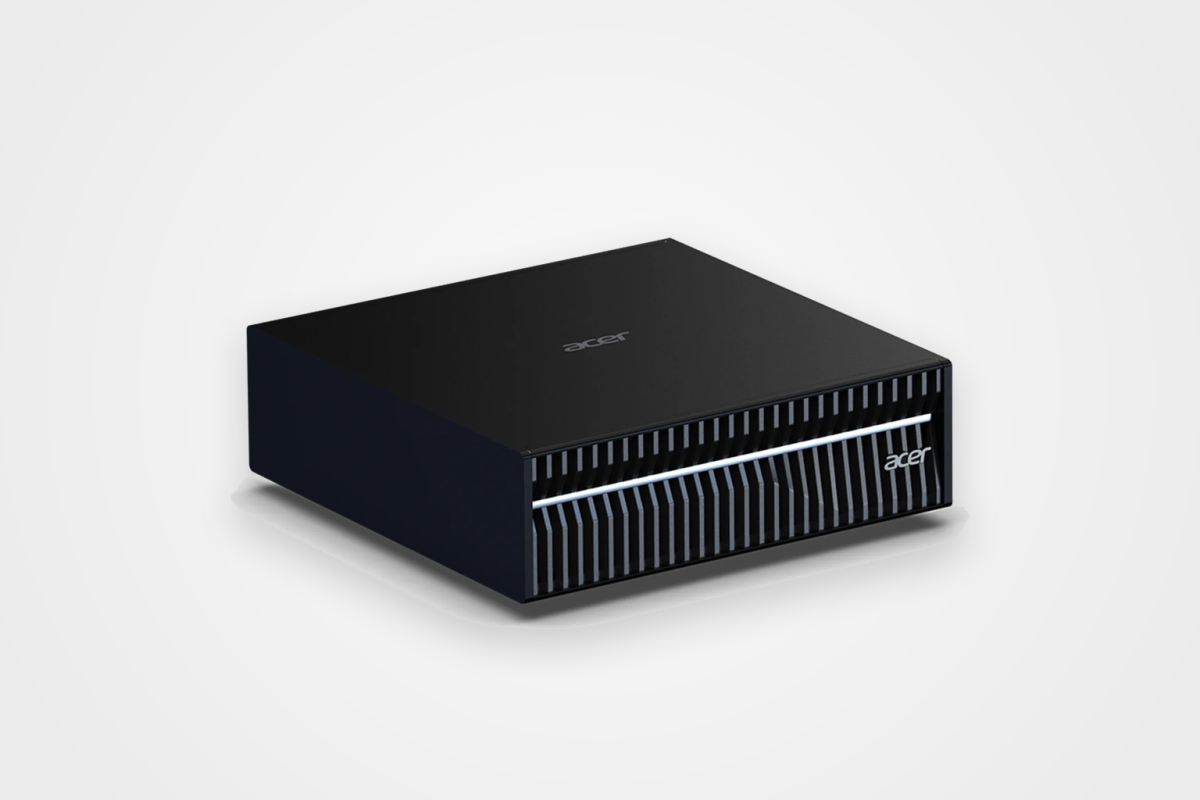
Acer Veriton GN100 4 TB Review: A Straightforward GB10 Appliance
Acer’s Veriton GN100 packages NVIDIA GB10, 128 GB of unified memory and 4 TB of storage in a sealed mini workstation. Its value depends heavily on regional pricing.