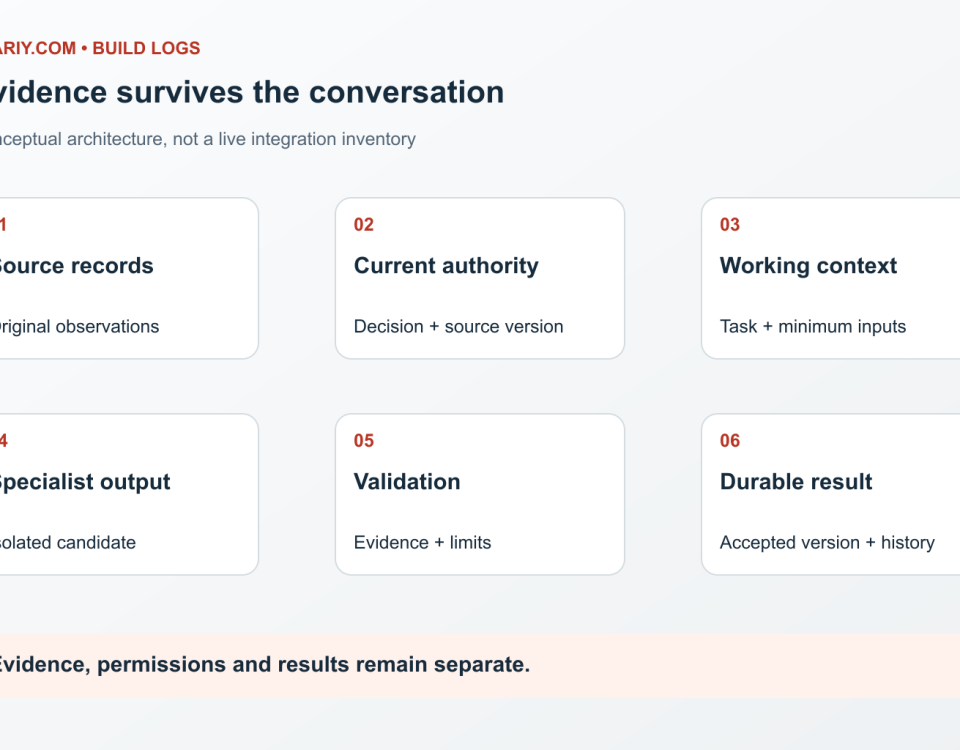
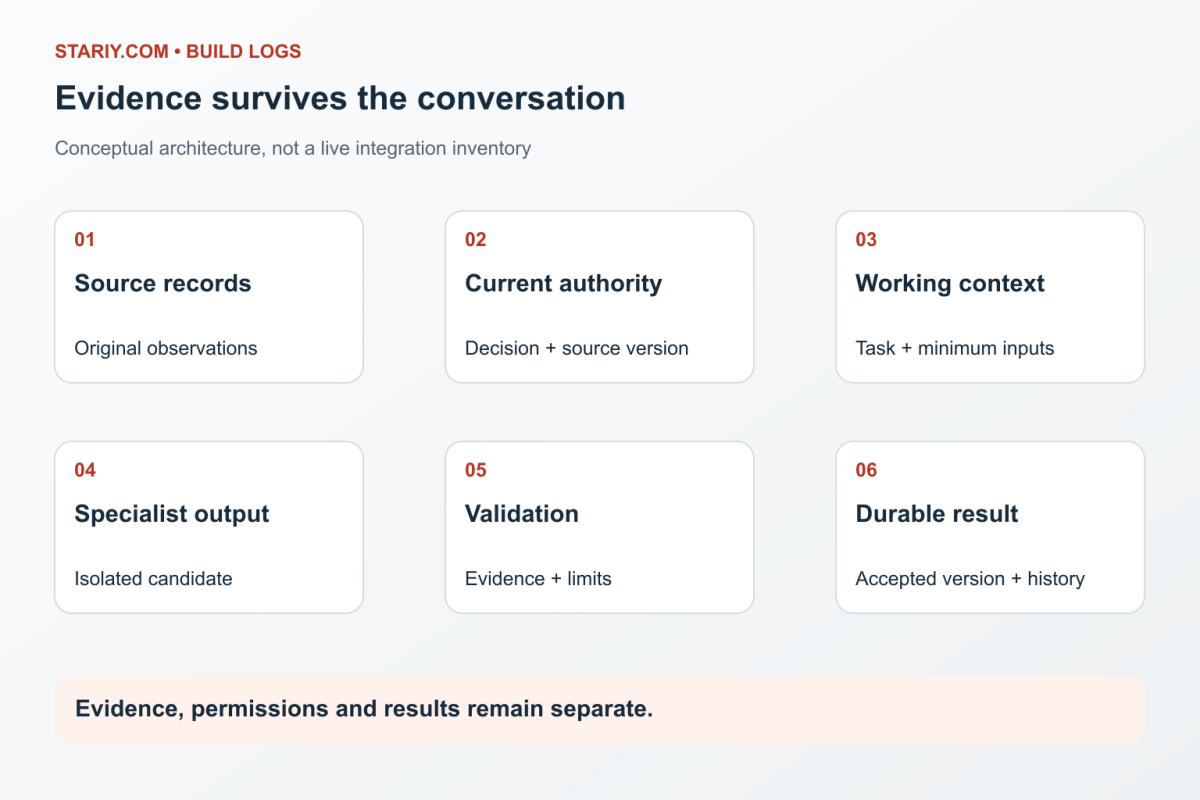
An agent does not gain useful memory merely because a conversation is long. Useful memory is selected, stored, retrieved and corrected outside the momentary model call.
The most capable architecture is not automatically the best architecture. A fixed workflow, one tool-using agent and a multi-agent system trade predictability for flexibility at different rates.
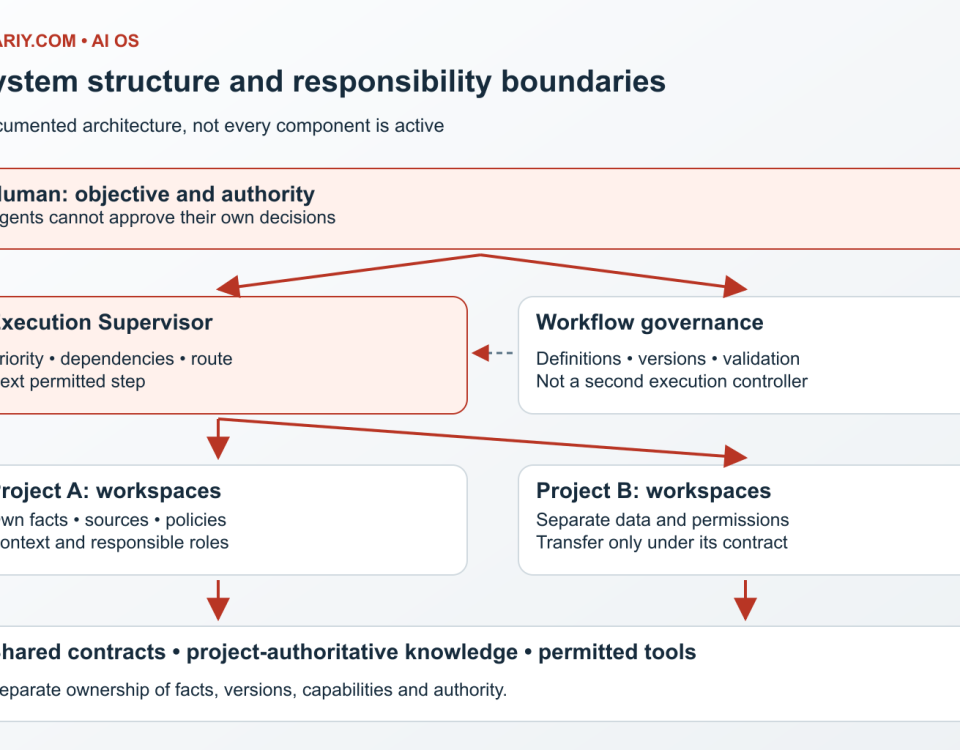
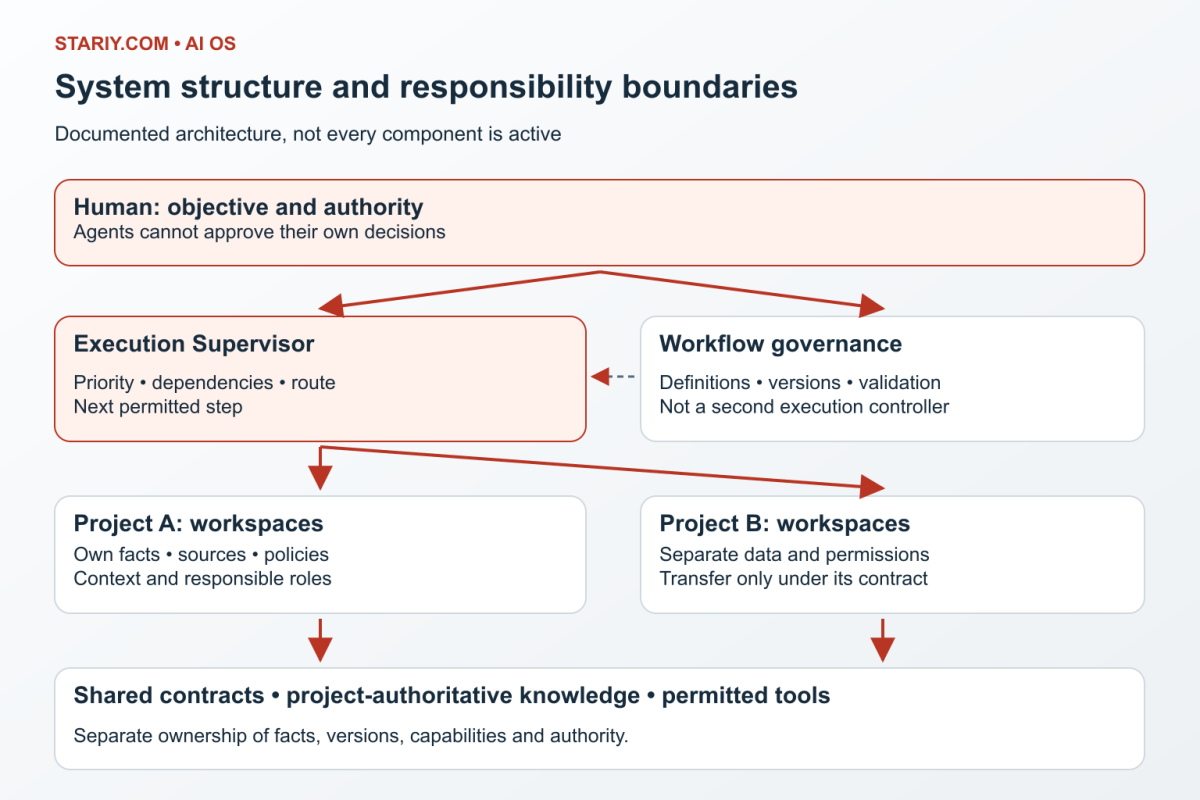
My AI OS is a control and knowledge system around my work. It connects projects, persistent workspaces, reusable workflows, agent roles and tools. Its memory does not belong to one conversation, and its authority does not come from a model saying that an action seems reasonable.
Adding an “Approve” button does not automatically make an AI workflow safe. Human review works only when the reviewer has the information, time and authority to detect a meaningful problem before the action occurs.
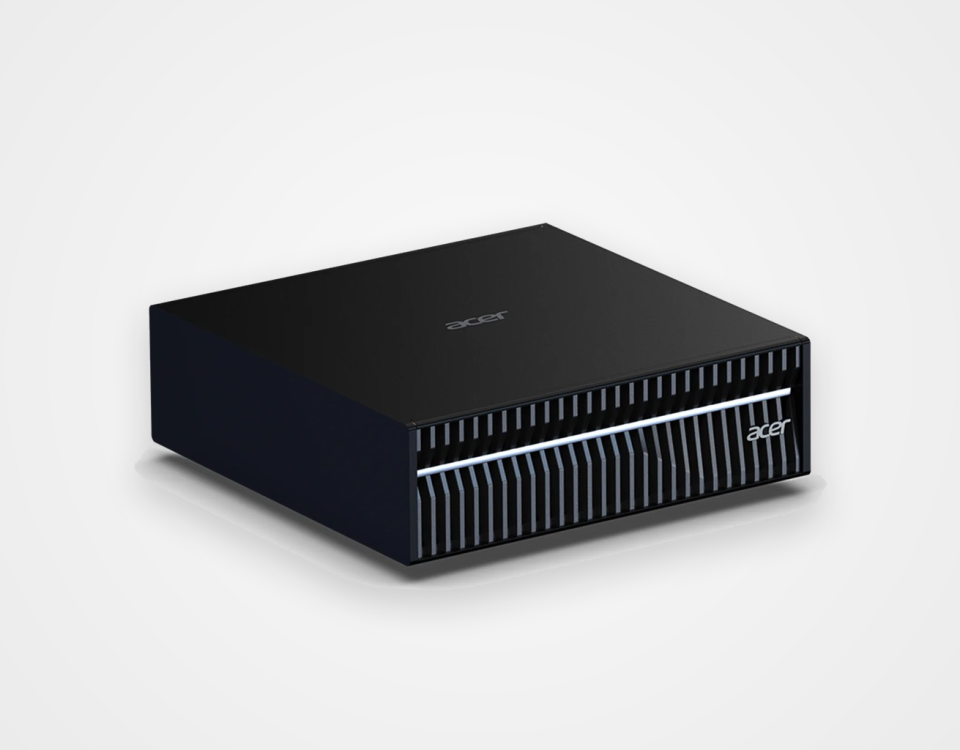
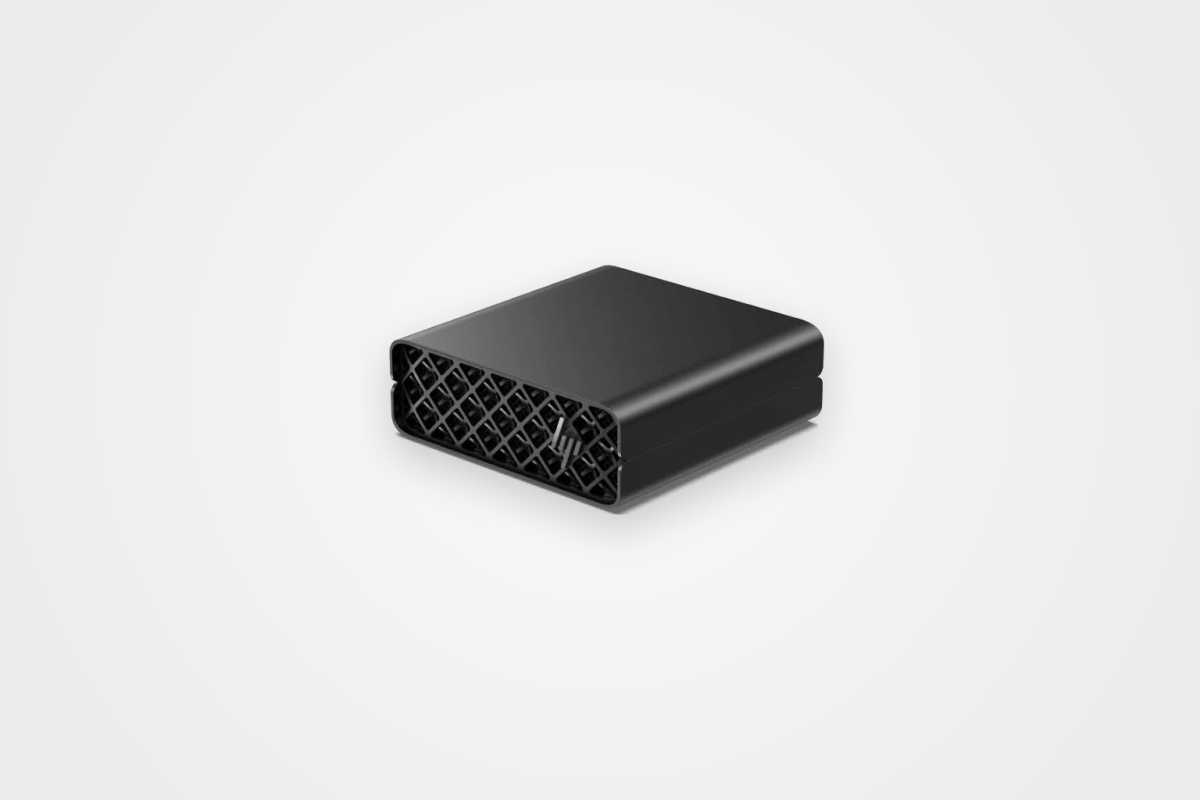
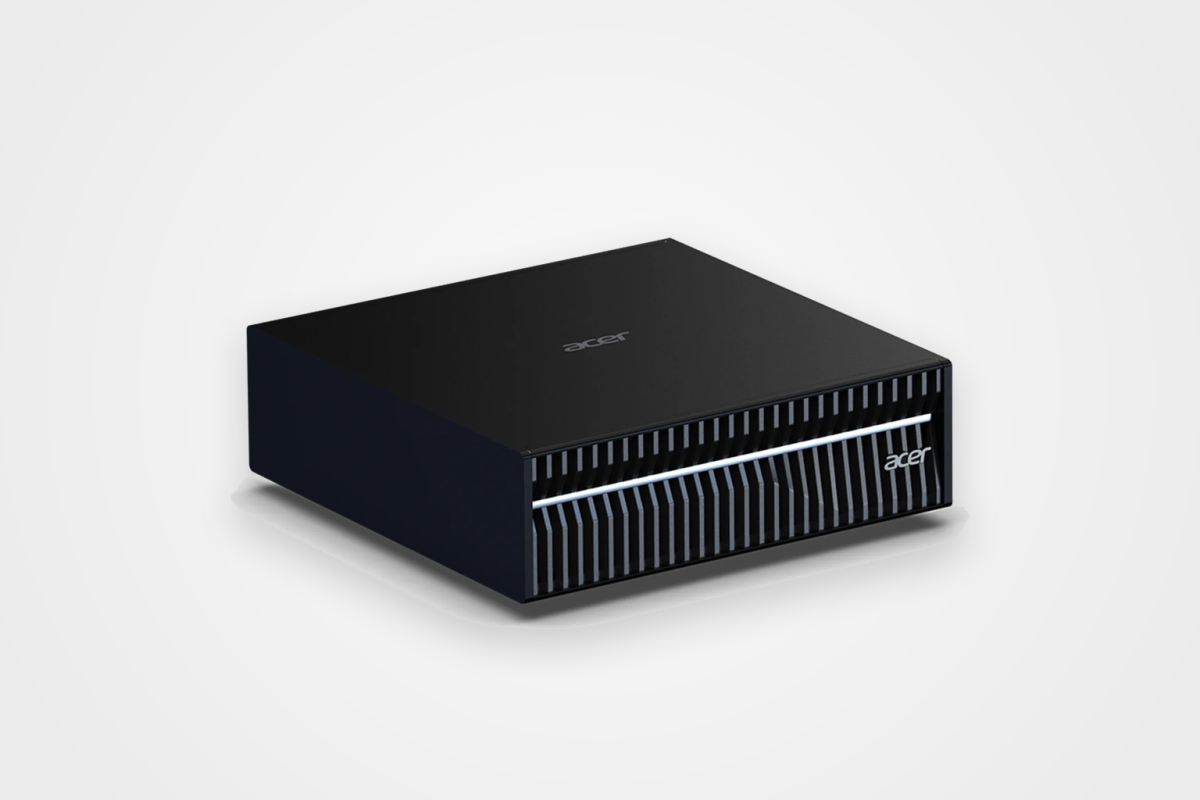
Acer's Veriton GN100 packages NVIDIA GB10, 128 GB of unified memory and 4 TB of storage in a sealed mini workstation. Its value depends heavily on regional pricing.
An agent does not improve merely because it performs more tasks. Experience becomes capability only when outcomes are evaluated, lessons are represented in the right layer and changes pass regression tests.
A coding agent is not a model that produces a large code block. It is a tool-using system that can inspect a repository, edit files, run commands, observe failures and repeat the cycle until an external check says the change works.